How Close Can a Generator Be to a House for Safe Operation?
Power outages are stressful, mainly when you rely on electricity for comfort, health, or work. Installing a generator helps, but incorrect placement can create serious safety risks. Carbon monoxide exposure, fire hazards, and electrical damage often begin with poor positioning. Many homeowners wonder how close a generator should be placed to a house without putting their family at risk.
In this guide, you’ll learn safe distance guidelines, why they matter, and how professionals determine proper generator placement.
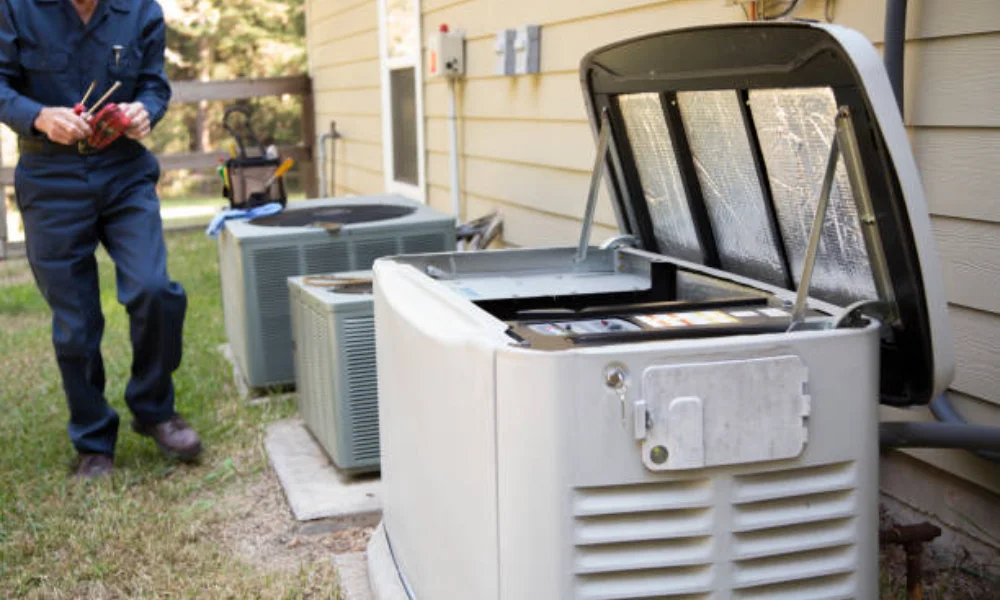
Why Generator Placement Matters for Safety and Performance
The distance between a generator and your home plays an imperative role in both safety and long-term reliability. When a generator is positioned too close to the house, exhaust gases may linger near living spaces, heat can stress nearby materials, and vibration may transfer into the structure. These issues often develop slowly, which makes them easy to overlook at first. Over time, improper placement increases the risk of carbon monoxide intrusion, exterior damage, and electrical complications. Thoughtful spacing allows proper airflow, reduces mechanical strain, and supports safer electrical operation during extended use.
Carbon Monoxide Exposure Risks Near the Home
Generators produce carbon monoxide, which is colorless as well as odorless. When units are too close together, fumes can enter through windows, doors, or attic vents. Even small gaps allow gas accumulation indoors. This is how exposure incidents often happen during extended outages.
According to the U.S. Centers for Disease Control and Prevention (CDC), more than 400 people in the United States die each year from unintentional carbon monoxide poisoning, often linked to fuel-burning equipment such as generators.
Fire Hazards from Heat and Fuel Sources
Generators release heat through exhaust and engine components. If placed near walls, decks, or vegetation, heat buildup increases the risk of ignition. Fuel leaks also spread faster near structures. Proper spacing allows heat to dissipate safely.
Electrical Backfeed and Equipment Damage
Incorrect placement often leads to unsafe wiring paths. Extension cords stretched into homes increase the risk of overload. Improper transfer connections may feed power back into utility lines. Safe placement supports safer electrical routing and professional installation.
How Close Can a Generator Be to a House?
The answer to how close a generator can be to a house depends on the generator type, the fuel source, and local electrical codes. However, industry safety standards provide precise baseline distances. Most manufacturers and codes require a minimum of 20 feet from the home for standby generators. Portable generators usually require greater separation due to exhaust direction and airflow variability.
Distance rules exist to manage exhaust dispersion, heat clearance, and service access. These guidelines also protect nearby openings such as windows, doors, and soffit vents. Ignoring them creates invisible dangers that worsen over time.
Manufacturer Clearance Requirements
Each generator model includes clearance instructions. These specify side, rear, and exhaust distances. Some units need additional spacing for airflow. Ignoring manufacturer guidance often voids warranties and violates inspection rules.
Building Codes and Local Regulations
National Electrical Code standards influence the placement of generators. Local authorities may enforce stricter setbacks. Coastal regions, flood zones, and densely populated neighborhoods often require additional clearance. Always confirm local rules before installation.
Fuel Type and Exhaust Direction
Natural gas generators exhaust differently than gasoline models. Diesel units generate more heat. Exhaust direction matters just as much as distance. Units should always blow exhaust away from structures.
Recommended Generator Distance Guidelines by Generator Type
Not all generators follow the same placement logic. Size, fuel, and runtime expectations affect clearance needs. Understanding type-specific spacing helps you avoid common mistakes homeowners make.
Standby Generators Installed on Concrete Pads
Standby generators typically sit on permanent pads. Most manufacturers recommend at least 20 feet from the home. Clearance from windows and vents often increases this distance. These units run automatically, so safe spacing is critical during unattended operation.
Portable Generators for Temporary Use
Portable generators should be kept farther away due to their flexible exhaust direction. Safety agencies recommend placing them at least 20 feet from the house. Many professionals advise even greater distances when wind conditions shift.
This is where homeowners often ask how far from the house a generator should be during storms. The safest answer is always farther than the minimum when space allows.
Inverter Generators and Smaller Units
Inverter generators are quieter but still produce exhaust. A smaller size does not reduce carbon monoxide output. Distance rules still apply. Never place these units near garages or covered patios.
Factors That Can Increase Required Generator Distance
Minimum distances are starting points, not guarantees. Several environmental and structural factors may require greater spacing for safe operation. These conditions often exist without homeowners realizing the risk.
Nearby Windows, Doors, and Ventilation Openings
Air intake points pull exhaust inside, even from moderate distances. Homes with older windows or attic vents face a higher risk of exposure. Placement should account for airflow paths, not just straight-line distance.
Wind Direction and Yard Layout
Wind pushes the exhaust unpredictably. Narrow yards trap fumes between structures. Fences and hedges block airflow. In such cases, asking how far the generator should be from the house requires evaluating wind behavior.
Elevation Differences and Sloped Ground
Generators installed uphill from a home allow fumes to rise toward windows. Downhill placement improves dispersion. Terrain plays a larger role than most homeowners expect.
Noise, Vibration, and Structural Impact Considerations
Safety extends beyond fumes and fire. Long-term generator use affects comfort and structural components. Noise and vibration issues usually relate to poor placement decisions.
Noise Transmission Through Walls
Generators vibrate during operation. When placed too close, vibrations transfer into the framing. This causes interior noise amplification. Proper spacing reduces sound transmission and neighbor complaints.
Foundation and Siding Wear
Heat and vibration near siding degrade materials over time. Vinyl siding may warp, and stucco can crack. Adequate distance protects exterior finishes from long-term damage.
Local Noise Ordinances
Many cities enforce noise limits during nighttime hours. Generators too close to living spaces often violate these rules. Correct placement helps maintain compliance during extended outages.
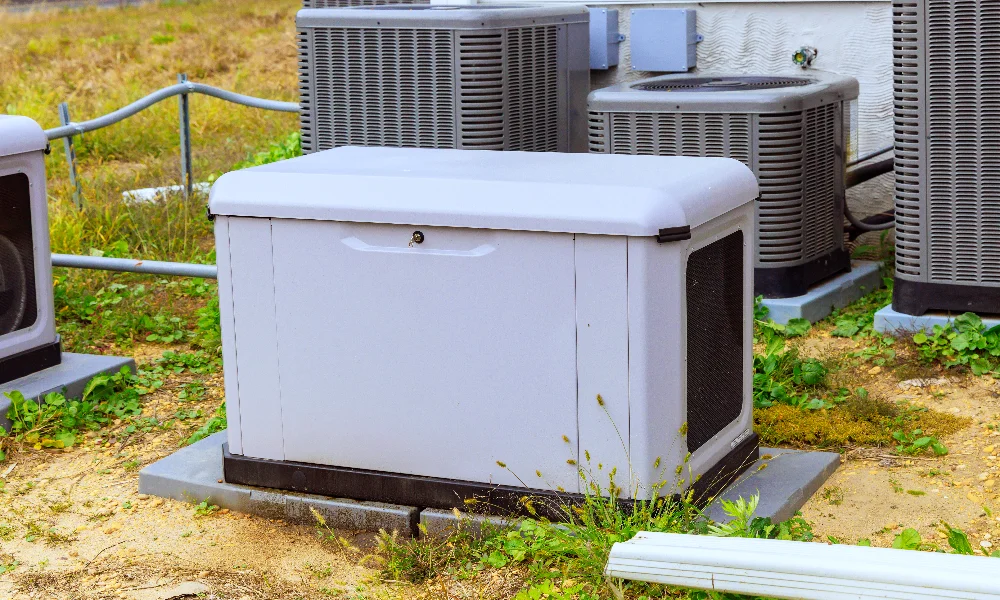
Professional Electrical Planning and Load Considerations
Generator placement connects directly to electrical planning. Cable routing, transfer switch location, and load balance all depend on distance decisions. Poor placement complicates safe electrical integration.
Understanding your home’s electrical demand also matters. High-load appliances require a stable generator output. Poor placement increases voltage drop and wiring stress. Reviewing household power consumption helps guide proper setup.
Transfer Switch Location and Safety
Transfer switches must remain accessible. Excessive distance increases conduit runs. Longer runs raise cost and failure risk. Balanced placement supports safer electrical routing.
Grounding and Bonding Requirements
Generators require proper grounding. Soil conditions near the house differ from those in open yard areas. Professional evaluation ensures grounding integrity and code compliance.
Common Generator Placement Mistakes to Avoid
Most generator accidents happen due to repeated mistakes. Avoiding them significantly reduces safety risks during outages.
Placing Generators in Garages or Covered Areas
Even open garages trap fumes. Carbon monoxide accumulates rapidly. This mistake remains one of the leading causes of generator-related injuries.
Ignoring Manufacturer Exhaust Orientation
Exhaust direction matters more than people realize. Turning the unit away from the house is not optional. Always align exhaust flow correctly.
Running Extension Cords Through Windows
This creates electrical and fire hazards. Proper placement allows safe wiring without the need for improvised cord routing.
Conclusion: Safe Generator Distance Protects Your Home and Family
Generator safety starts with placement. Distance protects against carbon monoxide exposure, fire hazards, and electrical failures. Understanding the safe closeness of a generator to a house helps you avoid risks that often appear during emergencies. Proper spacing depends on generator type, airflow, and local codes, not guesswork.
In case you’re planning a generator installation or evaluating an existing setup, professional guidance matters. The licensed electricians at My Electrician FL understand Florida codes, load planning, and safe generator placement. Contact our team to ensure your backup power system protects your home without creating hidden dangers.
via My Electrician myelectricianfl.com/how-clo...
