Do Sump Pumps Require a Dedicated Circuit for Safe Operation?
Does a Sump Pump Require a Dedicated Circuit for Safe Operation?
If you own a home with a basement, you likely understand the importance of a sump pump in preventing water damage. But many homeowners ask, ” Does a sump pump require a dedicated circuit for reliable operation? This question is vital because the electrical setup directly impacts the pump’s performance, safety, and longevity. Let us learn how a dedicated circuit works, why it matters, signs your pump may not be properly wired, and best practices for professional installation to ensure uninterrupted operation during critical times.
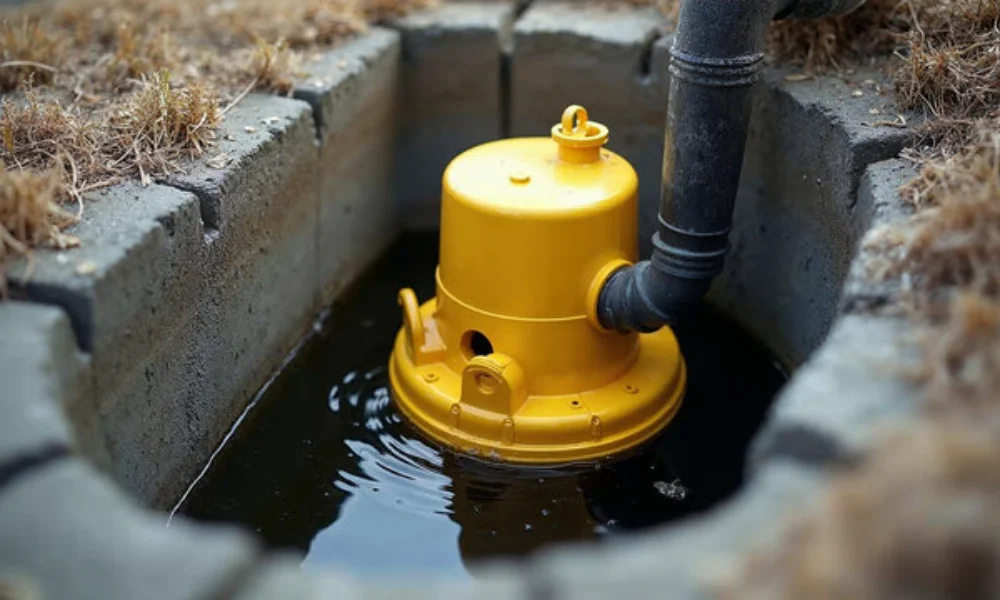
Does a Sump Pump Require a Dedicated Circuit for Safe Operation?
Understanding whether your sump pump needs a dedicated circuit is essential for both safety and efficiency. Installing the pump on a shared circuit can cause interruptions, tripped breakers, or even permanent damage to the equipment. Here, we discuss the risks of sharing circuits and the benefits of having a dedicated line, so you can make an informed decision.
Risks of Sharing a Circuit With Other Appliances
Using a shared circuit may seem convenient, but it can lead to several problems affecting your sump pump’s performance.
Overloaded Circuits Can Trip Breakers
When multiple appliances operate on the same line, the combined load can exceed the breaker’s rating. For example, if your laundry equipment or refrigerator runs simultaneously, the circuit can trip unexpectedly. According to The Tibble, while the NEC does not always require a dedicated circuit for sump pumps, having one can prevent trips and ensure your pump operates reliably during high water events.
Power Loss May Occur When the Pump Is Needed Most
Shared circuits can lead to voltage drops during high-demand periods. This drop reduces the pump’s efficiency, which is critical during storms or rapid water inflow. In worst-case scenarios, a brief power interruption may halt the pump’s operation entirely, causing damage to property and creating costly repairs.
Benefits of Installing a Dedicated Circuit for Sump Pump
A dedicated circuit for a sump pump offers several advantages, improving both reliability and safety. Homeowners often overlook these benefits until they experience a failure during heavy rainfall.
Reduces the Risk of Electrical Overload
By isolating the sump pump on its own circuit, the risk of overloading the electrical line is minimized. The pump receives consistent voltage without competing with other appliances, which ensures it operates at peak performance.
Improves Pump Reliability During Storms
During severe weather, the pump may need to run continuously. A dedicated line guarantees an uninterrupted power supply, eliminating the risk of trips caused by other high-demand devices.
Supports Code Compliance and Safe Operation
The NEC recommends dedicated circuits for sump pumps to reduce hazards. Following these guidelines ensures your installation meets code requirements, promoting overall home safety.
Extends the Lifespan of the Equipment
Continuous, stable power reduces wear on the pump motor. Avoiding sudden stops or electrical surges protects internal components, extending the operational lifespan of your investment.
What Is a Dedicated Circuit for a Sump Pump
A dedicated circuit is a power line installed exclusively for a sump pump, running directly from the electrical panel to the pump outlet. Unlike shared circuits, it provides a consistent voltage supply, reduces the risk of overload, and prevents interruptions caused by other appliances. By isolating the pump on its own line, homeowners ensure reliable operation during storms or rapid water inflow. This setup also aligns with National Electrical Code (NEC) guidelines, improving safety, protecting the pump motor from electrical stress, and extending the overall lifespan of the equipment.
How It Prevents Overloads and Tripped Breakers
A dedicated circuit delivers full amperage to the pump, preventing breaker trips caused by other devices. This design is especially important for high-capacity pumps that may draw more current than a standard outlet can safely provide.
Difference Between Shared and Dedicated Outlets
While a shared outlet connects multiple appliances to the same breaker, a dedicated outlet is singularly focused on the sump pump. This distinction may seem minor, but it drastically improves pump reliability during emergencies and reduces electrical hazards.
Signs Your Sump Pump May Not Be on a Dedicated Circuit
Identifying whether your sump pump has a dedicated circuit is crucial for preventing unexpected failures and costly water damage. A pump without its own line may experience inconsistent power, overloads, or delayed activation, especially during heavy rainfall when it’s needed most. Recognizing potential issues early can save both your basement and your equipment.
Breaker Trips When Other Devices Run
Frequent breaker trips often indicate that your sump pump shares a circuit with high-power appliances such as refrigerators, washing machines, or freezers. According to the National Electrical Code (NEC), high-demand devices should ideally have separate circuits to prevent overloads. When your pump shares a line, a sudden spike in power draw from other devices can trip the breaker, leaving your basement unprotected during critical times. Consistent breaker trips not only increase flood risk but also stress the pump motor, potentially shortening its lifespan.
Extension Cords or Power Strips in Use
Homeowners sometimes rely on extension cords or power strips to operate a sump pump, especially when a dedicated outlet is unavailable. However, the Consumer Product Safety Commission (CPSC) warns that extension cords are not intended for continuous operation of high-load appliances. Overheating can occur, increasing the risk of electrical fires and sudden pump failure. A dedicated line ensures stable voltage, protecting both your pump and your home’s electrical system.
Shared Outlet With Freezers or Laundry Equipment
When a sump pump shares an outlet with heavy appliances, voltage drops can reduce the pump’s performance. During storms, when water inflow is high, even minor reductions in power can prevent the pump from running at full capacity. Studies from the Electrical Safety Foundation International (ESFI) highlight that shared circuits are a common contributor to appliance failure and emergency response issues in residential settings. Ensuring a separate circuit eliminates this risk and keeps the pump operational when you need it most.
Inconsistent Pump Operation During Storms
Erratic or delayed pump activation is a strong indicator that the sump pump does not have a dedicated circuit. Without a stable power supply, the pump may start and stop intermittently, which can quickly overwhelm the sump basin during heavy rainfall. Properly wiring the pump on a dedicated line guarantees consistent operation, protecting your home from water damage while reducing wear on the pump motor. Regular professional inspections can also help identify wiring issues before they become emergencies.
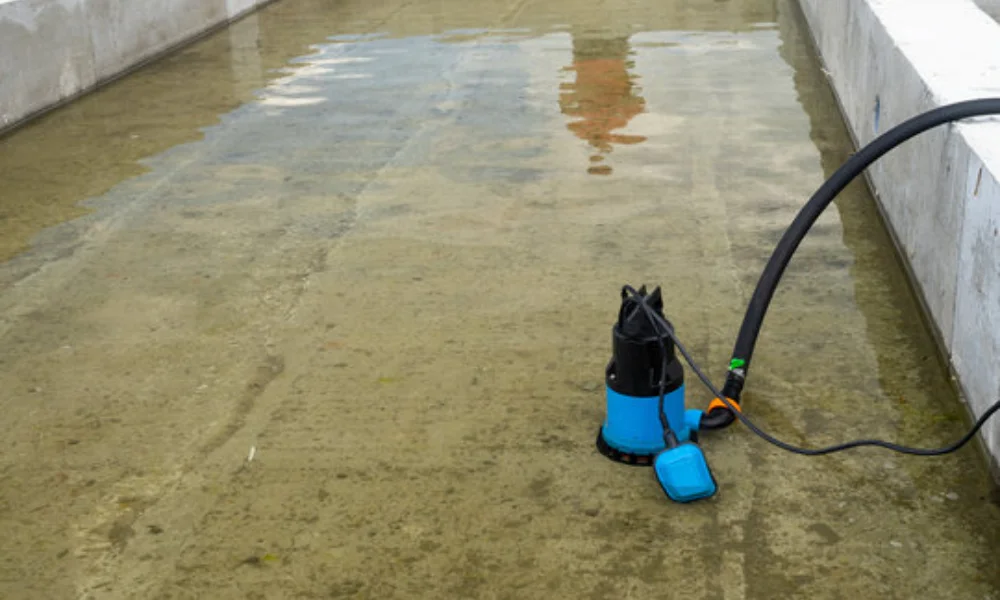
How Professionals Install a Dedicated Circuit for a Sump Pump
Installing a dedicated circuit requires careful planning and adherence to electrical codes. Professionals assess your panel capacity, select properly rated wires and breakers, and ensure consistent voltage to the pump. They route wiring safely, test the system, and verify NEC compliance. Proper installation reduces electrical risks, improves pump reliability, and protects your home from flooding.
Electrical Panel Capacity Assessment
Professional electricians begin by evaluating your electrical panel’s capacity to handle a new dedicated circuit. According to the National Electrical Code (NEC), each circuit must be properly sized to prevent overloads and maintain safe operation. Assessing panel capacity ensures that adding a dedicated line for your sump pump will not compromise existing circuits or risk breaker trips, providing reliable performance when the pump is needed most.
New Circuit Line Installation to the Pump Location
Once panel capacity is confirmed, electricians run a separate circuit from the panel directly to the sump pump location. They use appropriately rated wires based on amperage and distance to minimize voltage drops, which is critical for maintaining consistent pump performance. Proper routing also ensures compliance with safety standards and reduces the risk of electrical hazards or interference with other home systems.
Properly Rated Breaker and Outlet Installation
Installing the correct breaker and outlet is essential for both safety and pump efficiency. A breaker sized for the pump prevents overcurrent, which could damage the motor or trip the line. Electrical professionals follow NEC guidelines to select the appropriate components, ensuring the sump pump operates safely under peak demand and during storm conditions.
System Testing and Safety Verification
After installation, electricians conduct rigorous testing under load to verify that the circuit functions correctly and the pump operates reliably. This includes checking for consistent voltage, proper activation, and uninterrupted operation during simulated high water inflow. System verification provides homeowners with confidence that their sump pump will perform effectively during emergencies, protecting property and reducing potential water damage.
For homeowners concerned about outlet safety, My Electrician FL explains how outlets can fail and what warning signs to watch for, which can also help ensure your sump pump stays safe and operates reliably.
FAQs
What Are the NEC Requirements for Sump Pumps?
The National Electrical Code recommends a dedicated circuit for sump pumps to minimize hazards and prevent operational failure. Proper installation supports both safety and reliability.
Can a Sump Pump Be Plugged Into a Regular Outlet?
While possible, plugging into a regular outlet shared with other appliances increases the risk of overload, breaker trips, and inconsistent pump operation.
How Much Power Does a Sump Pump Require?
Most residential sump pumps draw 5–15 amps, depending on horsepower. A dedicated circuit ensures sufficient amperage without overloading other devices.
Trust My Electrician for Dedicated Circuit Installation in Port St. Lucie Homes
Ensuring your sump pump operates safely requires a dedicated, professionally installed circuit. My Electrician FL offers expert installation, including circuit assessment, wiring, breaker installation, and system testing for homes in Port St. Lucie. Protect your property from water damage and ensure your pump operates reliably during storms. Schedule a consultation with My Electrician FL today to upgrade your sump pump system with a dedicated circuit for the sump pump and enjoy peace of mind.
via My Electrician myelectricianfl.com/does-su...
